


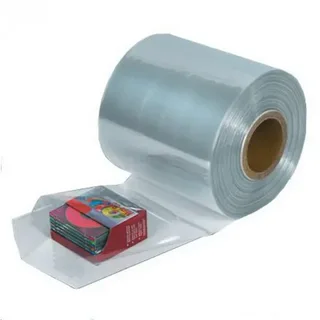
Shrink wrap, a plastic film commonly used in packaging and shipping, has become an essential tool for businesses and manufacturers. While its convenience and effectiveness are undeniable, concerns about the environmental impact of shrink wrap and sustainable alternatives have grown significantly in recent years. As global awareness of plastic pollution increases, industries and consumers are beginning to question whether shrink wrap is worth its ecological cost.
What is Shrink Wrap?
Shrink wrap is a type of polymer plastic film that shrinks tightly over whatever it covers when heat is applied. It’s widely used to bundle products, protect items from dust and moisture, and secure goods for transportation. However, its environmental footprint raises serious questions.
The Environmental Impact of Shrink Wrap
One of the most pressing concerns related to shrink wrap is its contribution to plastic pollution. Since most shrink wrap is made from low-density polyethylene (LDPE), a non-biodegradable plastic, it can persist in the environment for hundreds of years. This leads to several harmful consequences:
- Marine pollution: Discarded shrink wrap often finds its way into oceans, posing a threat to marine life that can ingest or become entangled in it.
- Landfill overflow: The non-biodegradable nature of shrink wrap means it occupies significant space in landfills, contributing to the growing waste management crisis.
- Carbon footprint: The production and transportation of shrink wrap consume fossil fuels and release greenhouse gases, further impacting climate change.
Understanding the environmental impact of shrink wrap and sustainable alternatives is critical for developing more eco-friendly business practices.
Sustainable Alternatives to Shrink Wrap
In response to environmental concerns, many companies are exploring alternatives to shrink wrap that are less damaging to the planet. Here are a few promising options:
1. Biodegradable Films
Made from natural materials like cornstarch or cellulose, biodegradable films break down much faster than traditional plastics. They serve a similar function but decompose under the right conditions without leaving toxic residues.
2. Recyclable Paper Wrap
Heavy-duty paper wrap is gaining popularity, especially for packaging smaller goods. It’s fully recyclable and, in many cases, reusable—reducing the overall waste generated by packaging.
3. Reusable Stretch Wraps
Instead of single-use plastic, reusable wraps made from durable materials like nylon or polyester can be used multiple times, making them ideal for internal logistics and closed-loop supply chains.
4. Mushroom Packaging
For certain products, especially electronics and fragile items, biodegradable packaging made from agricultural waste and mycelium (the root system of mushrooms) offers excellent protection with a minimal environmental footprint.
Moving Toward a Greener Future
Businesses and consumers alike must take responsibility for their environmental impact. By choosing more sustainable packaging options, companies can significantly reduce waste and lower their carbon footprint. Governments and environmental organizations are also pushing for stricter regulations and incentives to encourage the adoption of greener practices.
Ultimately, understanding the environmental impact of shrink wrap and sustainable alternatives empowers everyone to make better decisions. As awareness grows, the demand for eco-friendly packaging will continue to rise, driving innovation and change across industries.
Conclusion
Shrink wrap may offer short-term convenience, but its long-term environmental effects cannot be ignored. As we face an escalating climate crisis and plastic pollution problem, transitioning to more sustainable alternatives is no longer optional—it’s essential. By embracing change and investing in eco-friendly packaging, we can mitigate the environmental impact of shrink wrap and sustainable alternatives, paving the way for a cleaner, healthier planet.
