


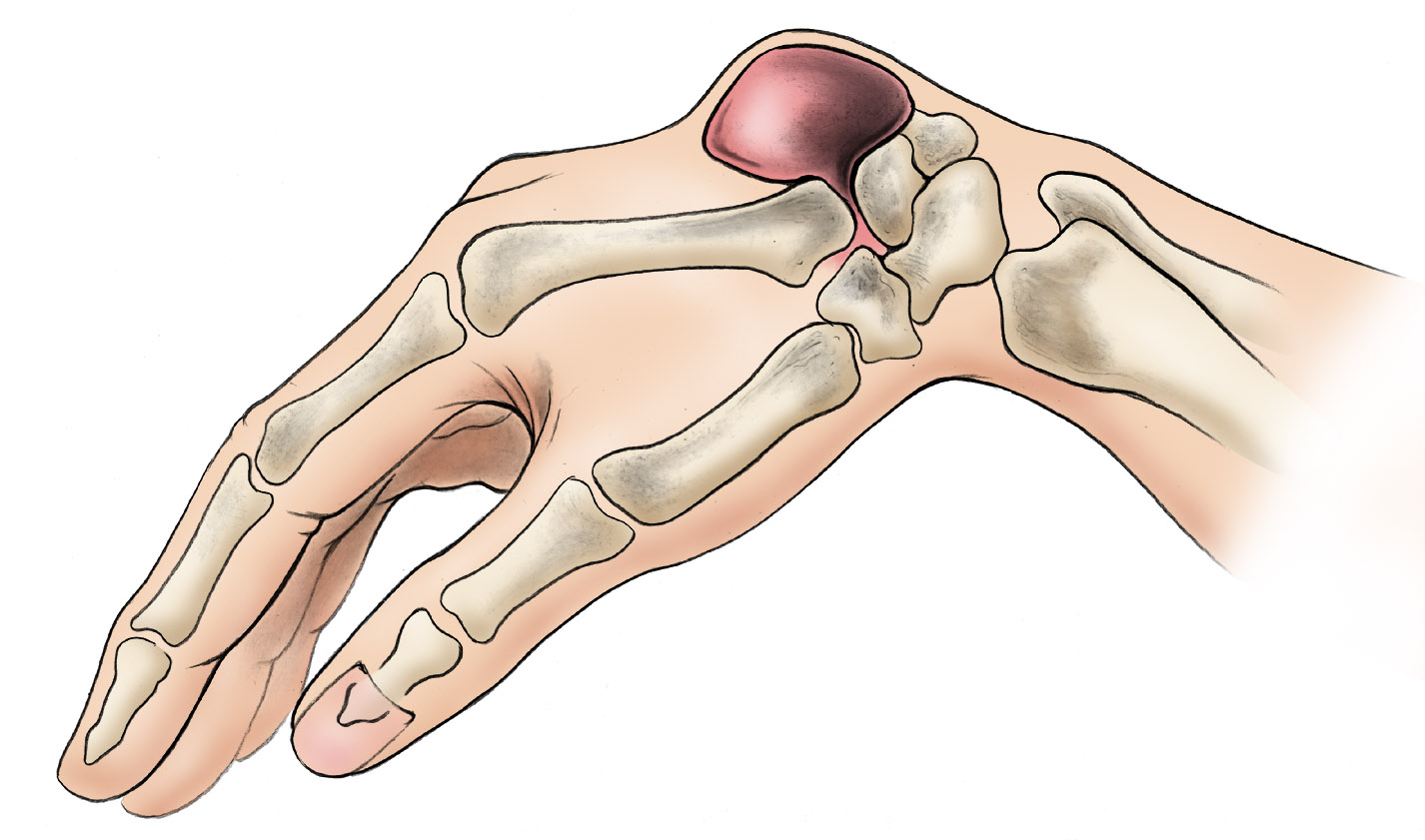
Ganglion cysts are noncancerous lumps that commonly develop along the tendons or joints of the wrists, hands, or fingers. While they are generally harmless, they can sometimes cause discomfort or restrict movement. This article aims at understanding ganglion cyst: causes, symptoms, and treatments, providing clarity for those affected.
What is a Ganglion Cyst?
A ganglion cyst is a fluid-filled sac that forms when synovial fluid leaks from a joint or tendon sheath. These cysts vary in size and may grow larger with repetitive joint activity. Most ganglion cysts are round or oval and can range from pea-sized to larger, noticeable lumps.
Causes of Ganglion Cysts
The exact cause of ganglion cysts is not entirely understood, but several factors may contribute:
- Joint or tendon irritation: Overuse or repetitive movements of the wrist and hand can increase fluid production, leading to cyst formation.
- Joint or tendon injury: Trauma or minor injuries to the joint may trigger cyst development.
- Underlying joint conditions: Arthritis or other degenerative joint issues can increase susceptibility.
Understanding the underlying causes is an essential part of understanding ganglion cysts: causes, symptoms, and treatments.
Symptoms of Ganglion Cysts
Many ganglion cysts are painless, but symptoms can include:
- Visible lump or swelling near a joint or tendon
- Pain or discomfort, especially when moving the affected joint
- Tingling or numbness if the cyst presses on a nerve
- Reduced range of motion in severe cases
Symptoms can vary depending on the size and location of the cyst. Sometimes, a cyst may shrink or disappear on its own without treatment.
Treatment Options
Treatment for ganglion cysts depends on the severity of symptoms:
Non-Surgical Treatments
- Observation: If the cyst is painless, doctors may recommend simply monitoring it.
- Immobilization: Wearing a brace or splint can reduce movement and allow the cyst to shrink.
- Aspiration: A doctor may use a needle to drain the fluid, though cysts can recur.
Surgical Treatments
If non-surgical methods fail or the cyst causes significant pain or functional issues, surgical removal may be recommended. Surgery involves excising the cyst along with its stalk to reduce recurrence.
Preventing Recurrence
While not all cysts can be prevented, reducing repetitive joint stress and maintaining joint health may help lower the risk of recurrence after treatment.
Understanding ganglion cysts: causes, symptoms, and treatments is crucial for early detection and proper management. With timely medical advice, most individuals can manage the condition effectively and maintain normal joint function.
