


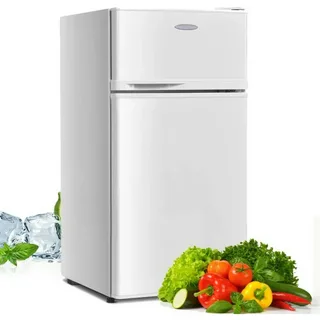
When you’re short on space but need reliable cooling, a smaller refrigerator is often the go-to solution. But should you choose a mini or a compact refrigerator? While many people use these terms interchangeably, there are important distinctions between the two. Understanding these differences can help you make the best choice for your dorm, office, small apartment, or bedroom.
What Is a Mini Refrigerator?
A mini refrigerator is typically the smallest type of fridge available, designed to hold just the essentials. With capacities usually ranging between 1.5 to 2.5 cubic feet, these fridges are perfect for storing drinks, a few snacks, or a small meal. They’re popular among college students and professionals looking to keep cold beverages within arm’s reach at their desks.
Key Features of Mini Fridges:
- Extremely compact
- Lightweight and portable
- Often come with just a single shelf and a small freezer compartment (if any)
- Ideal for tight spaces like bedrooms or under desks
What Is a Compact Refrigerator?
A compact refrigerator, on the other hand, offers more space and features than a mini fridge. Typically ranging from 3 to 4.5 cubic feet, these fridges can store more food and often come with separate freezer compartments, adjustable shelving, and door storage.
Key Features of Compact Fridges:
- Larger storage capacity
- More organization options
- Suitable for small apartments or shared living spaces
- Often include energy-efficient features
Mini vs. Compact Refrigerator: What’s the Difference?
Now, let’s tackle the big question: Mini vs. Compact Refrigerator: What’s the Difference? The main differences come down to size, capacity, and functionality. Mini fridges are ideal for minimal use and ultra-limited space, while compact refrigerators offer more versatility and better storage solutions for everyday use.
Size & Capacity:
- Mini refrigerators: 1.5–2.5 cubic feet
- Compact refrigerators: 3–4.5 cubic feet
Functionality:
- Mini fridges: Basic cooling, minimal compartments
- Compact fridges: Better organization, separate freezer compartments, sometimes even crisper drawers
Use Case:
- Mini: Dorm rooms, bedrooms, desktops
- Compact: Studio apartments, small kitchens, shared offices
Which One Should You Choose?
Your choice between a mini and a compact refrigerator largely depends on your storage needs and available space. If you only need to cool a few cans of soda or keep snacks chilled, a mini fridge will do the trick. But if you’re looking for something closer to a standard refrigerator experience without taking up too much space, a compact fridge is the smarter pick.
Conclusion
Understanding the mini vs. compact refrigerator: what’s the difference? question can make your buying decision much easier. While both options are designed to save space, their features and storage capabilities vary significantly. Whether you need something ultra-small or a bit more capable, knowing the differences will help you get the best value for your needs.
