


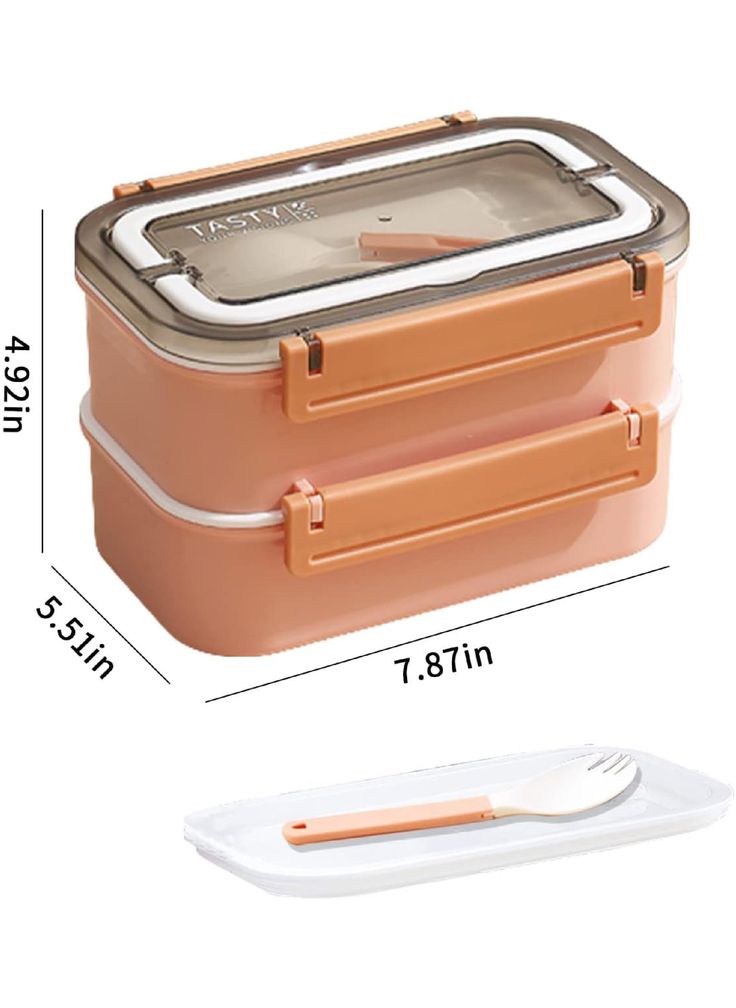
As environmental awareness grows, so does the demand for sustainable solutions in every aspect of our lives, including how we pack our meals. For students and professionals alike, eco-friendly bento boxes offer a smart and stylish way to reduce waste, promote healthy eating, and make a positive impact on the planet. Moving beyond single-use plastics, these innovative containers are designed for durability, convenience, and a greener lifestyle. This article explores the benefits and key features of eco-friendly bento boxes for everyday use at school and work.
The Environmental Imperative
The shift towards eco-friendly bento boxes is driven by a critical need to address the pervasive issue of plastic waste. Traditional lunch packing often relies on disposable items that contribute significantly to landfills and ocean pollution. By choosing reusable, sustainably made bento boxes, we can:
- Drastically Reduce Single-Use Plastic: Eliminate the need for plastic bags, cling film, and disposable containers that are used once and then discarded.
- Lower Carbon Footprint: Sustainable materials often require less energy and fewer harmful chemicals to produce compared to virgin plastics.
- Promote Resource Conservation: Opting for materials like stainless steel or recycled plastics supports the circular economy and reduces reliance on finite resources.
This simple change in daily habits contributes to a larger movement towards a more sustainable and responsible consumption model.
What Makes a Bento Box Eco-Friendly?
An eco-friendly bento box isn’t just about being reusable; it’s about the materials it’s made from, its production process, and its longevity. Key indicators include:
- Sustainable Materials:
- Stainless Steel: Highly durable, non-toxic, infinitely recyclable, and does not retain food odours or stains. It’s a premium, long-lasting choice.
- BPA-Free, Food-Grade Plastics (e.g., PP): While plastic, these are a step up from single-use options. Look for clear labelling indicating they are free from harmful chemicals like BPA, PVC, and phthalates. Some also incorporate recycled content (RPET).
- Bamboo Fibre: Made from renewable bamboo plants, often mixed with a binder. These are lightweight and biodegradable at the end of their life.
- Glass: Durable, non-toxic, and excellent for reheating. However, it’s heavier and more fragile than other options, making it less ideal for children.
- Non-Toxic Seals and Components: Ensure any silicone seals or removable dividers are also food-grade and free from harmful chemicals.
- Durability and Longevity: The most eco-friendly product is one that doesn’t need frequent replacement. A well-made bento box, regardless of material, should withstand daily use for years.
Essential Features for School and Work
Beyond their eco-credentials, these bento boxes must be practical for the demands of school and work environments:
- Leak-Proof Design: Crucial for preventing spills and keeping different food items separate. Look for tight-fitting lids with robust silicone seals, especially if packing sauces or moist foods.
- Compartmentalisation: The essence of a bento box. Varied compartment sizes allow for a balanced meal with different food groups (main, sides, snacks, dips) without them mixing. Some offer removable dividers for flexibility.
- Microwave and Dishwasher Safe (where applicable): For convenience, many plastic and glass bento boxes are microwave-safe (remove lids) and dishwasher-safe for easy cleaning. Stainless steel is dishwasher-safe but not for microwave use.
- Portability and Size: The bento box should fit comfortably into a standard lunch bag or backpack. Consider its overall dimensions and weight, especially for children.
- Ease of Cleaning: Smooth, non-porous surfaces and easily removable seals make cleaning a breeze, preventing food residue and odours.
- Kid-Friendly (for school): For younger users, look for easy-to-open latches, fun colours, and designs that encourage them to eat their packed lunch.
Making the Sustainable Switch
Choosing an eco-friendly bento box is a simple yet impactful step towards reducing your personal waste. Pair it with a reusable water bottle, cloth napkins, and a set of portable cutlery to create a complete zero-waste lunch kit. This not only benefits the environment but also often encourages healthier eating habits and saves money in the long run by reducing reliance on takeout and pre-packaged snacks.
Conclusion
Eco-friendly bento boxes are a testament to how sustainable choices can seamlessly integrate into our daily routines without sacrificing convenience or style. By opting for durable, non-toxic, and thoughtfully designed containers, students and professionals can enjoy fresh, healthy meals while actively contributing to a healthier planet. It’s a small change that makes a big difference, one packed lunch at a time.
