


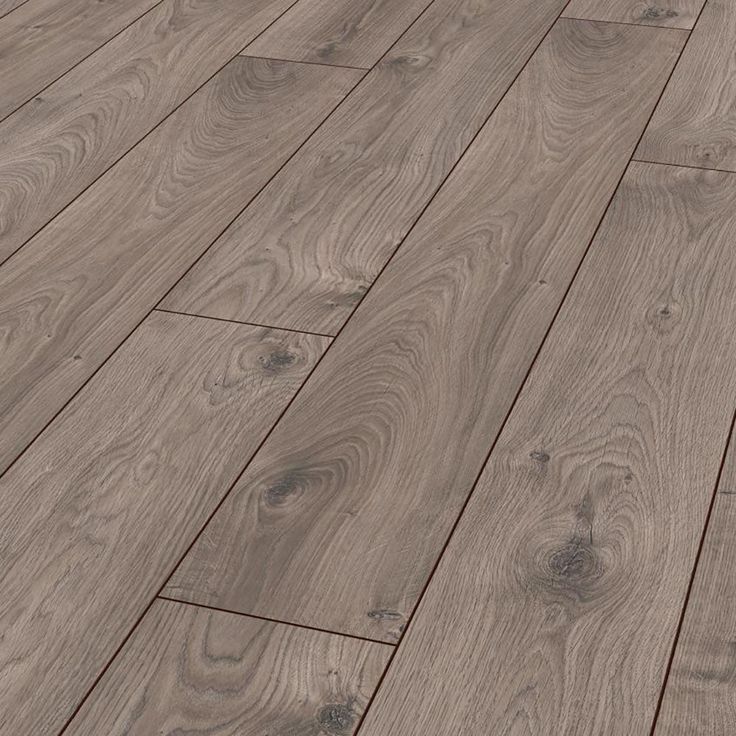
Real wood flooring is a significant investment that brings unparalleled beauty, warmth, and value to any home. Whether you have solid hardwood or engineered wood, proper cleaning and consistent maintenance are crucial to preserving its lustrous appearance, preventing damage, and ensuring it stands the test of time for decades. While wood floors are durable, they are not impervious to wear and tear, and a proactive approach to care can significantly extend their lifespan and keep them looking pristine.
This article outlines essential tips and practices for maintaining your wood flooring for maximum longevity.
1. Preventative Measures: The First Line of Defense
The most effective maintenance strategy begins with prevention, minimizing the amount of dirt and potential damage your floors encounter.
- Use Doormats: Place high-quality doormats at all exterior entrances to trap dirt, grit, moisture, and debris before they are tracked onto your wood floors.
- Implement Area Rugs: Use area rugs in high-traffic zones like hallways, living room pathways, and in front of kitchen sinks. This protects the finish from excessive wear and provides an extra layer of defense against spills and impacts.
- Protect Furniture Legs: Attach felt pads to the bottom of all furniture legs (chairs, tables, sofas, beds). This prevents scratches and gouges when furniture is moved or shifted. Regularly check and replace worn pads.
- Avoid High Heels and Cleats: High heels can dent wood floors, and sports cleats can cause significant scratches. Encourage guests to remove such footwear.
- Trim Pet Nails: Keep pet nails trimmed to minimize scratches and scuffs from their paws.
2. Regular Cleaning: Keeping it Pristine
Consistent routine cleaning is vital to remove abrasive particles that can dull and scratch the finish over time.
- Sweep or Vacuum Daily/Bi-Daily: Use a soft-bristle broom, a dust mop, or a vacuum cleaner with a hard floor attachment (ensure the beater bar is turned off or retracted). This removes loose dirt, dust, and pet hair that can act like sandpaper underfoot.
- Wipe Spills Immediately: Wood and moisture do not mix well. Promptly wipe up any spills with a clean, dry cloth. For sticky spills, use a slightly damp cloth with a mild wood floor cleaner, then immediately dry the area.
- Damp Mop (Sparingly): For a deeper clean, use a slightly damp microfiber mop. Wring out the mop thoroughly until it’s barely moist. Never use excessive water, a wet mop, or a steam cleaner, as prolonged moisture can cause swelling, warping, or delamination (for engineered wood).
3. Choosing the Right Cleaning Products
Using appropriate cleaning solutions is crucial to avoid damaging your wood floor’s finish.
- Wood Floor Specific Cleaners: Always opt for cleaning products specifically formulated for wood floors. These are designed to clean effectively without leaving residue or stripping the finish.
- Avoid Harsh Chemicals: Never use abrasive cleaners, ammonia-based cleaners, bleach, oil soaps, or wax-based products on your wood floors. These can dull the finish, leave a sticky residue, or cause permanent damage.
- DIY Solutions (Use with Caution): A very dilute solution of white vinegar (1/4 cup per gallon of water) can be used occasionally for a streak-free shine, but always test in an inconspicuous area first and ensure the mop is barely damp.
4. Humidity Control: Protecting Against Moisture
Wood is a natural material that reacts to changes in humidity, expanding and contracting.
- Maintain Stable Humidity: Use a humidifier in dry climates (especially in winter) and a dehumidifier in humid climates (especially in summer) to keep indoor humidity levels consistent, ideally between 35% and 55%. This helps prevent gapping, cupping, or buckling of the planks.
5. Professional Maintenance and Refinishing
Even with diligent daily care, wood floors may eventually show signs of wear, especially solid hardwood.
- Screening and Recoating: For minor surface scratches and dullness, a professional can “screen” (lightly abrade) the top coat and apply a fresh layer of finish. This is less invasive than a full refinish.
- Full Refinishing: Solid hardwood floors can be sanded down to bare wood and completely refinished multiple times throughout their lifespan. This process removes deep scratches, dents, and wear, restoring the floor to a like-new condition. Engineered wood with a thick wear layer may also be refinished 1-3 times.
By consistently implementing these preventative measures and cleaning practices, you can ensure your real wood floors remain a stunning, durable, and valuable asset in your home for generations.
