


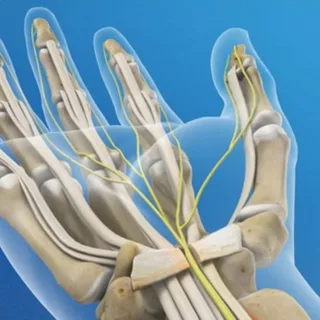
Carpal tunnel syndrome is a common condition that affects millions of people worldwide, causing pain, numbness, and weakness in the hand and wrist. While non-surgical treatments often provide relief, some individuals may require surgical intervention. But is carpal tunnel surgery right for you? Signs, benefits, and risks must be carefully considered before making a decision. This article will guide you through the key factors to help you make an informed choice.
Signs You Might Need Carpal Tunnel Surgery
Understanding the signs of severe carpal tunnel syndrome is the first step in deciding whether surgery is necessary. Typical symptoms include:
- Persistent numbness or tingling in the thumb, index, and middle fingers
- Weak grip or difficulty holding objects
- Nighttime discomfort that disrupts sleep
- Worsening pain despite using wrist splints or medications
If these symptoms significantly affect your daily activities or fail to improve with conservative treatments, it may be time to discuss surgery with a healthcare professional.
Benefits of Carpal Tunnel Surgery
Surgery for carpal tunnel syndrome is designed to relieve pressure on the median nerve, which can result in:
- Reduced or eliminated numbness and tingling
- Improved hand strength and dexterity
- Better sleep quality due to relief from nighttime discomfort
- Long-term prevention of nerve damage
While recovery time can vary, many patients experience significant improvement in hand function and overall quality of life after the procedure.
Risks and Considerations
Like any surgical procedure, carpal tunnel surgery carries potential risks, including:
- Infection at the surgical site
- Scar tissue formation
- Persistent pain or stiffness
- Rare nerve or tendon injury
Discussing these risks with your surgeon and weighing them against the benefits is essential before making a decision. Your age, overall health, and severity of symptoms can influence the outcome.
How to Decide if Surgery is Right for You
To determine if carpal tunnel surgery is right for you? Signs, benefits, and risks should be evaluated in consultation with a healthcare provider. They may recommend:
- Electromyography (EMG) to assess nerve function
- Trial of non-surgical treatments like splints, medications, or therapy
- Monitoring symptom progression
Ultimately, surgery is usually considered when conservative measures fail, or symptoms are severe enough to interfere with daily life.
Conclusion
Deciding whether to undergo carpal tunnel surgery is a personal choice that requires careful evaluation of your symptoms, potential benefits, and possible risks. By understanding is carpal tunnel surgery right for you? Signs, benefits, and risks, you can make an informed decision in collaboration with your healthcare provider and regain comfort and functionality in your hands.
