


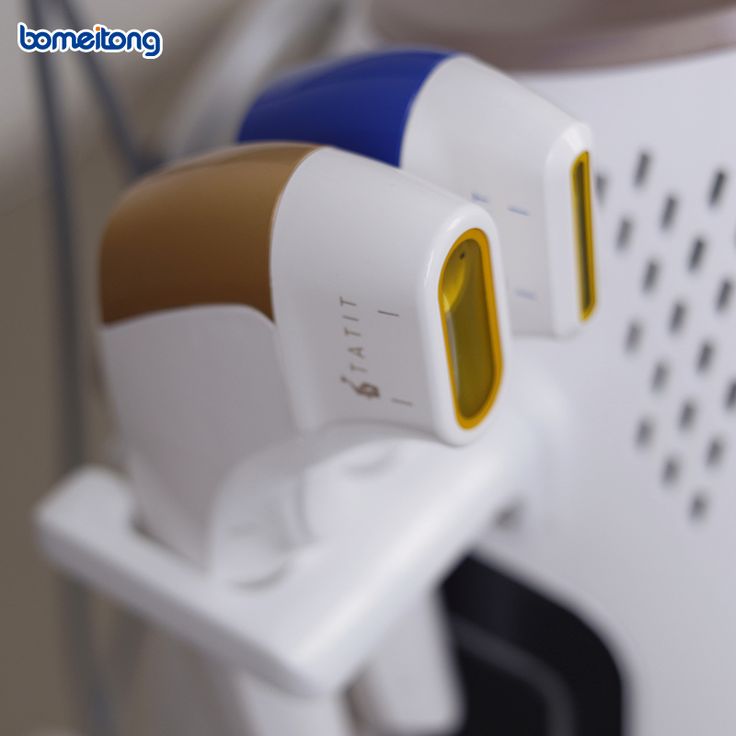
When exploring non-surgical options for skin tightening and lifting, two names frequently emerge at the forefront: ultraformer mpt and Ultherapy. Both utilize High-Intensity Focused Ultrasound (HIFU) technology to stimulate collagen production deep within the skin, offering a non-invasive alternative to traditional facelifts. However, despite their shared foundation, there are distinct differences in their technology, patient experience, and ideal applications. Understanding these nuances is crucial for making an informed decision about which treatment is best suited for your aesthetic goals.
Core Technology: HIFU Explained
Both Ultraformer MPT and Ultherapy harness the power of HIFU. This technology works by delivering precisely focused ultrasound energy to specific depths beneath the skin’s surface. This energy creates controlled thermal coagulation points (TCPS) without damaging the outermost layer of skin. The heat generated triggers the body’s natural wound-healing response, leading to two key biological processes:
- Immediate Collagen Contraction: Existing collagen fibers in the treated area contract due to the heat, providing an initial, subtle tightening effect.
- Neocollagenesis: Over the following weeks and months, the stimulated cells produce new, stronger collagen and elastin. This gradual rebuilding of the skin’s structural support leads to long-term lifting, firming, and rejuvenation.
Both devices target the deep dermal layers and, crucially, the Superficial Musculoaponeurotic System (SMAS) layer, which is the same foundational tissue addressed in surgical facelifts.
Ultraformer MPT: The Latest Evolution
Ultraformer MPT (Micro-Pulsed Technology) is considered the newest generation of HIFU devices, building upon the legacy of earlier Ultraformer models. Its key differentiating feature is its Micro-Pulsed energy delivery.
- Micro-Pulsed Technology (MPT): Instead of delivering energy in larger, singular beams, Ultraformer MPT breaks down the energy into rapid, controlled micro-pulses. This creates significantly finer (up to 25 times finer) and more precise microthermal zones.
- Enhanced Comfort: The micro-pulsed delivery translates to a more comfortable treatment experience. Patients typically report a sensation of gentle warmth or mild tingling, with less discomfort compared to traditional HIFU.
- Speed and Efficiency: The advanced energy delivery allows for much faster treatment sessions, often completing a full face and neck in 15-25 minutes.
- Versatility: Ultraformer MPT often features a wider range of cartridge depths (from 1.5mm to 13mm) and dual firing modes (dot and micro-pulse), offering greater customization for various skin concerns and body areas, including targeted fat reduction.
- Synergistic Boosters: Some Ultraformer MPT systems can also infuse specialized serums into the deeper skin layers during treatment, enhancing hydration and anti-aging benefits.
Ultherapy: The Established Pioneer
Ultherapy was one of the first HIFU devices to gain widespread recognition and FDA clearance for lifting the skin on the neck, chin, and brow, and for improving lines and wrinkles on the décolletage.
- Real-Time Visualization: A distinctive feature of Ultherapy is its real-time ultrasound imaging. This allows the practitioner to visualize the skin layers on a screen during treatment, ensuring precise placement of energy at the targeted depths. This visual guidance is a key safety and efficacy feature.
- Consistent Energy Delivery: Ultherapy delivers focused ultrasound energy in a consistent, single-shot manner.
- Comfort Level: While effective, Ultherapy is often described as having a more intense sensation compared to Ultraformer MPT, with patients feeling a deeper heat or prickling. Topical numbing cream is commonly used to manage discomfort.
- Treatment Duration: Sessions typically take longer than Ultraformer MPT, ranging from 30 to 90 minutes depending on the treated area.
Which One Should You Choose?
The choice between Ultraformer MPT and Ultherapy often comes down to individual priorities and specific concerns:
- For Enhanced Comfort and Speed: If patient comfort and shorter treatment times are your top priorities, Ultraformer MPT with its micro-pulsed technology is often preferred.
- For Real-Time Visualization: If the idea of the practitioner seeing the exact skin layers during treatment provides you with greater reassurance, Ultherapy’s real-time imaging might be a deciding factor.
- For Versatility and Fat Reduction: Ultraformer MPT’s broader range of cartridge depths and its ability to effectively target and reduce localized fat (like a double chin) alongside skin tightening may make it more suitable for comprehensive contouring.
- For Mild to Moderate Laxity: Both treatments are ideal for individuals with mild to moderate skin laxity who are seeking a noticeable lift and tightening without surgery. Neither is a substitute for surgical intervention in cases of severe sagging.
- Cost: While costs vary by clinic and region, Ultherapy is sometimes positioned at a higher price point due to its real-time imaging technology.
Ultimately, the best way to determine which treatment is right for you is to schedule a comprehensive consultation with a qualified aesthetic practitioner. They can assess your skin condition, discuss your aesthetic goals, and recommend the most suitable device and treatment plan tailored to your unique needs.
