


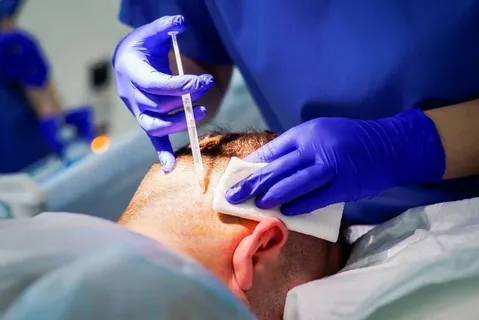
In recent years, the field of hair restoration has witnessed a significant transformation. The rise of robotic hair transplants: a new era marks a turning point in how technology and medicine intersect to deliver precise, efficient, and minimally invasive solutions for hair loss. With the introduction of advanced robotics in clinics worldwide, patients can now experience faster recovery, higher accuracy, and more natural-looking results.
What Are Robotic Hair Transplants?
Robotic hair transplants are procedures that utilize robotic systems to assist surgeons in harvesting and implanting hair follicles. Unlike traditional methods, which rely heavily on manual labor and the surgeon’s dexterity, robotic systems employ advanced imaging and AI algorithms to map the scalp, extract follicles with precision, and implant them at optimal angles and densities. This innovation reduces human error and improves overall outcomes.
Advantages of Robotic Hair Transplants
The rise of robotic hair transplants: a new era is not just a technological trend—it brings tangible benefits for patients, including:
- Precision and Consistency: Robots can extract and implant follicles at exact angles and depths, ensuring uniformity and a natural look.
- Reduced Recovery Time: Minimally invasive procedures result in less trauma to the scalp, leading to faster healing.
- Higher Graft Survival: With precise handling, the survival rate of transplanted follicles increases, giving patients more satisfactory results.
- Customization: Advanced imaging allows surgeons to plan procedures tailored to each patient’s unique hair pattern.
How Robotic Technology Is Changing the Industry
Robotic hair transplants represent a shift from conventional methods to a technology-driven approach. Clinics adopting these systems are witnessing higher patient satisfaction rates and increased efficiency. By automating repetitive and delicate tasks, surgeons can focus more on the artistic aspect of hairline design, merging precision with aesthetics.
Moreover, ongoing research continues to enhance the capabilities of these robotic systems. Artificial intelligence integration allows for better pattern recognition, predictive modeling, and overall improved outcomes. Clearly, the rise of robotic hair transplants: a new era is reshaping expectations in hair restoration, making previously unattainable results more accessible to a wider audience.
Conclusion
The rise of robotic hair transplant: a new era signifies more than just a technological upgrade—it is a revolution in the field of hair restoration. With enhanced precision, faster recovery, and superior results, robotic hair transplants are setting a new standard for both patients and professionals. As technology continues to advance, this innovative approach is likely to become the gold standard for hair restoration in the years to come.
