


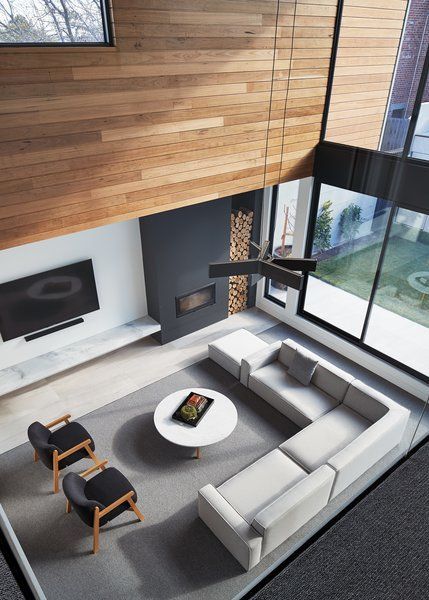
In today’s fast-paced world, simplicity and functionality are more valuable than ever. The modern interior design landscape has embraced these principles, giving rise to The Art of Minimalism: Exploring Modern Interior Design Trends. Minimalism is no longer just a design choice; it’s a lifestyle that emphasizes clarity, purpose, and elegance in every corner of the home.
Understanding Minimalism in Interior Design
Minimalism in interior design focuses on creating spaces that are clean, uncluttered, and harmonious. This style is characterized by:
- Neutral color palettes: Whites, greys, and muted tones dominate, creating a serene and timeless backdrop.
- Functional furniture: Every piece serves a purpose, often doubling as storage or multi-functional elements.
- Open spaces: Minimalist designs embrace open floor plans that enhance natural light and create a sense of flow.
By stripping away unnecessary decor and focusing on essentials, homeowners can achieve spaces that feel peaceful and inviting.
Key Elements of Modern Minimalist Design
Modern minimalism has evolved beyond simple decor. Here are the elements shaping today’s trends:
- Clean Lines and Geometric Shapes – Furniture and architecture favor straight lines and geometric forms, giving rooms a structured yet elegant feel.
- Natural Materials – Wood, stone, and metal bring warmth and texture, balancing the minimalistic aesthetic.
- Smart Storage Solutions – Innovative shelving, hidden cabinets, and multipurpose furniture reduce clutter without compromising style.
- Statement Pieces – Minimalism doesn’t mean boring; a single bold artwork or sculptural piece can define a room.
Incorporating these elements ensures that spaces are not only functional but also visually striking.
The Role of Technology in Minimalist Interiors
The rise of smart homes has also influenced The Art of Minimalism: Exploring Modern Interior Design Trends. Automated lighting, climate control, and sleek appliances allow homeowners to maintain a clutter-free environment while enjoying modern conveniences. Technology seamlessly integrates with the design, enhancing simplicity without overwhelming the space.
Tips for Achieving a Minimalist Home
To successfully embrace minimalism, consider these practical tips:
- Declutter ruthlessly: Keep only what serves a purpose or brings joy.
- Choose quality over quantity: Invest in well-crafted furniture and decor.
- Emphasize natural light: Large windows and reflective surfaces enhance openness.
- Maintain balance: Combine textures, shapes, and colors to avoid a cold or sterile feel.
These strategies help transform any home into a minimalist haven, reflecting both style and functionality.
Conclusion
The Art of Minimalism: Exploring Modern Interior Design Trends is more than a design philosophy; it’s a reflection of mindful living. By embracing simplicity, clean lines, and purposeful choices, modern homes can become spaces of calm, efficiency, and aesthetic beauty. Whether you’re redesigning a single room or an entire home, minimalism offers timeless solutions for contemporary living.
