


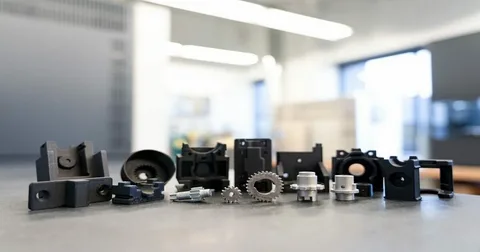
The market for additive manufacturing is expanding rapidly, and businesses selling 3D printed components need strong digital marketing strategies to stand out. Whether you’re selling industrial prototypes, custom accessories, or niche mechanical parts, effective online promotion can significantly boost visibility and sales. This article explores practical Digital Marketing Tips for Sales of 3D Printed Parts, with real-world positioning insights, including how brands like Polymer 80 have influenced niche manufacturing markets.
Understanding the Market for 3D Printed Parts
Before applying marketing strategies, it’s essential to understand your audience. Buyers of 3D printed parts typically fall into several categories:
- Engineers and product designers
- Automotive and machinery hobbyists
- Small manufacturers and startups
- Custom fabrication businesses
Brands such as Polymer 80 have shown how specialized manufacturing products can gain traction through targeted online communities and niche demand. Their presence highlights the importance of understanding customer intent and product use cases.
Build a Strong SEO Foundation
Search engine optimization is the backbone of any digital marketing strategy.
Key SEO Tips:
- Use long-tail keywords like “custom 3D printed mechanical parts”
- Optimize product pages with clear descriptions and specifications
- Create blog content answering technical customer questions
- Improve site speed and mobile responsiveness
For example, companies like Polymer 80 benefit from strong search visibility because users often search for highly specific product models and compatibility details.
Leverage Content Marketing for Authority
Content marketing helps establish trust in a highly technical niche like 3D printing.
Effective Content Ideas:
- Tutorials on how 3D printed parts are designed
- Case studies showing real-world applications
- Comparison guides between materials and printing methods
- Industry trend reports
When brands such as Polymer 80 are discussed in content, it often relates to product innovation and manufacturing design, showing how niche expertise builds credibility online.
Use Social Media and Community Engagement
Social platforms are powerful for reaching makers, engineers, and DIY enthusiasts.
Best Platforms:
- Instagram for showcasing finished parts
- YouTube for manufacturing demos
- Reddit communities for technical discussions
- LinkedIn for B2B networking
Engaging with niche communities allows brands to build loyal audiences. Discussions around companies like Polymer 80 often spread through enthusiast forums, demonstrating the power of word-of-mouth marketing in technical industries.
Invest in Paid Advertising Strategically
Paid ads can accelerate growth when used carefully.
Recommended Strategies:
- Google Ads targeting high-intent search terms
- Retargeting campaigns for website visitors
- Sponsored posts on industry blogs
However, ensure compliance with advertising policies and platform rules, especially when dealing with regulated or sensitive product categories.
Build Trust Through Transparency
Trust is critical when selling precision-manufactured parts.
Ways to Build Credibility:
- Provide detailed product specifications
- Show manufacturing processes
- Offer customer reviews and testimonials
- Maintain clear return and support policies
Brands like Polymer 80 demonstrate how product clarity and detailed documentation can help users better understand complex items and build confidence in purchase decisions.
Conclusion
Successful Digital Marketing Tips for Sales of 3D Printed Parts rely on a combination of SEO, content marketing, community engagement, and trust-building strategies. Whether you’re a small startup or an established manufacturer, understanding your niche audience is key.
By studying how specialized brands such as Polymer 80 operate within their markets, businesses can learn how targeted messaging and strong online presence translate into sustained growth.
