


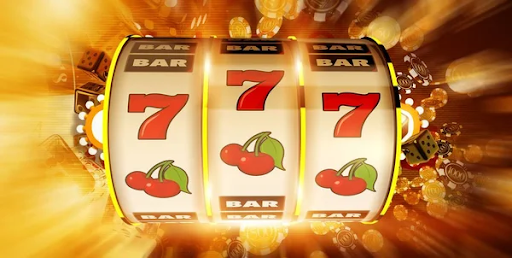
Slot machines are one of the most recognizable forms of gaming entertainment. Originally introduced as mechanical devices, they have evolved into sophisticated digital products featuring colorful graphics, animations, sound effects, and diverse themes. Today, the term “slot machine” can refer to both traditional physical machines and their modern digital counterparts available through various gaming platforms.
The basic concept remains relatively simple. Players interact with reels containing different symbols, and the machine determines an outcome when the reels stop. Although the appearance and features have changed significantly over time, the fundamental attraction of slot mahjong machines continues to center around their straightforward mechanics and visual presentation.
The History of Slot Machines
The origins of slot machines can be traced back to the late nineteenth century. Early machines were entirely mechanical and used physical reels with a limited number of symbols. Classic designs often included familiar images such as fruits, bells, and playing-card symbols.
Mechanical construction meant that every part of the machine had a physical function. Levers, gears, springs, and rotating reels worked together to produce each result. These early machines were considerably simpler than modern versions, but they established the foundation for the format that would become widely recognized.
As technology progressed, manufacturers began replacing purely mechanical components with electronic systems. This allowed machines to incorporate additional reels, more symbols, lights, sounds, and new types of features.
How Modern Slot Machines Work
Modern slot machines generally rely on computer-controlled systems to determine outcomes. Digital versions commonly use a random number generator, or RNG, to produce results independently for each spin.
The reels displayed on the screen are essentially a visual representation of the underlying result. Depending on the game, different combinations of symbols may correspond to different outcomes according to predetermined rules.
The number of reels, rows, paylines, and symbols can vary considerably. Some machines retain a traditional three-reel structure, while others use five or more reels and innovative layouts.
Understanding the rules of a particular machine is important because each title can have different mechanics. Information regarding symbols, special features, and payout structures should be reviewed before playing.
Themes and Visual Design
One of the most significant developments in slot machines is the expansion of available themes. Traditional machines often used simple symbols, but modern games can be built around almost any creative concept.
Popular themes include ancient civilizations, mythology, adventure, animals, fantasy, sports, music, food, and futuristic technology. Developers can create detailed environments and characters that transform the machine into a visually engaging digital experience.
Graphics have also improved considerably. High-resolution artwork, animated symbols, dynamic backgrounds, and visual effects can create a more immersive presentation. Sound design contributes to the atmosphere through background music and effects that respond to events during gameplay.
Features Found in Modern Machines
Modern slot machines can contain numerous features designed to add variety to the basic reel format. Depending on the individual title, these may include wild symbols, scatter symbols, bonus rounds, free spins, multipliers, expanding symbols, and special transformations.
Wild symbols may substitute for other symbols according to specific rules. Scatter symbols can sometimes activate additional features, while bonus rounds may introduce a separate game mechanic.
These features can make gameplay more varied, but they do not guarantee a particular result. Players should always understand the conditions associated with each feature rather than assuming that a special symbol guarantees a win.
Physical and Digital Slot Machines
Traditional physical slot machines remain recognizable in casinos and other regulated gaming environments. They provide a tactile experience through physical buttons, screens, cabinets, and sometimes mechanical reels.
Digital slot machines offer greater flexibility because developers can create more elaborate interfaces and mechanics without being limited by physical components. Digital versions can also be optimized for different screen sizes, including computers, tablets, and smartphones.
Despite their differences, both formats share the same basic concept of generating uncertain outcomes according to their respective systems.
Responsible Use of Slot Machines
Slot machines are games based on chance, and outcomes cannot be reliably predicted from previous results. A previous win or loss does not determine what will happen during the next play.
Anyone who chooses to participate should establish clear limits on both spending and time. Money needed for rent, food, bills, savings, or other essential expenses should never be allocated to gaming.
Players should also avoid chasing losses by increasing spending in an attempt to recover money. If gaming begins to interfere with finances, work, relationships, or daily responsibilities, taking a break is an important step.
Conclusion
Slot machines have transformed from simple mechanical devices into technologically advanced gaming products. Their development has introduced better graphics, diverse themes, interactive features, and digital interfaces while preserving the recognizable reel-based concept.
Understanding how slot machines work can help users make informed decisions. Since outcomes are based on chance, no method can guarantee a win on every play. Treating slot machines as entertainment, setting reasonable limits, and recognizing the potential risks are essential for maintaining a responsible approach.
