


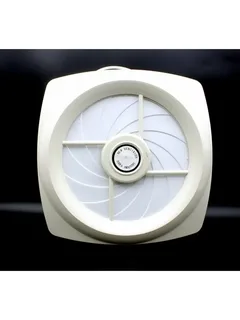
Proper ventilation is essential for maintaining a healthy and comfortable home. Whether you’re dealing with lingering cooking smells in the kitchen, excessive moisture in the bathroom, or stale air in a utility room, an extractor fan is a practical solution. This DIY guide to installing an extractor fan in any room will walk you through the key steps, tools, and safety tips to get the job done efficiently and effectively.
Why Install an Extractor Fan?
Extractor fans help remove unwanted air particles, such as steam, smoke, and odors, while also preventing mold and mildew caused by excess humidity. They’re especially useful in enclosed spaces with limited natural ventilation.
Tools and Materials You’ll Need
Before you begin, gather the following:
- Extractor fan unit
- Power drill
- Screwdrivers
- Wall or ceiling vent kit
- Ducting (if venting to the exterior)
- Wire strippers
- Electrical tester
- Safety glasses and gloves
Step-by-Step DIY Guide to Installing an Extractor Fan in Any Room
1. Choose the Right Fan and Location
Determine where the fan will be most effective—usually high on a wall or ceiling, close to the source of moisture or odor. Make sure there’s access to power and an exit point for venting if needed.
2. Mark and Cut the Opening
Use the fan’s template to trace the area you’ll cut. Drill pilot holes and use a jigsaw or drywall saw to make the opening. Take care not to damage any hidden wires or pipes.
3. Install the Ductwork (If Required)
If you’re venting to the outside, connect ducting to the fan and route it to an external wall or roof vent. Seal all joints with duct tape to ensure airflow efficiency.
4. Mount the Extractor Fan
Secure the fan to the wall or ceiling using the screws provided. Follow the manufacturer’s instructions closely. Double-check that the unit is level and tightly fitted.
5. Make the Electrical Connections
Warning: If you’re not confident with electrical work, consult a licensed electrician.
Turn off the power at the breaker. Connect the fan wiring to your home’s electrical supply, matching live, neutral, and earth wires appropriately. Use wire connectors and a tester to confirm a safe connection.
6. Test the Fan and Finalize Installation
Turn the power back on and test the fan. It should run smoothly without excess noise. Install the front cover and clean the work area.
Tips for a Successful Installation
- Always follow local electrical codes.
- Use a fan with a timer or humidity sensor for added efficiency.
- Consider installing a backdraft shutter to prevent cold air from entering the room.
Maintenance and Troubleshooting
Clean the fan blades and grills regularly to maintain airflow. If the fan stops working, check the power supply, wiring, and ducting for blockages or damage.
Conclusion
With the right tools and preparation, installing an extractor fan doesn’t have to be a daunting task. This DIY guide to installing an extractor fan in any room provides a practical and efficient approach to improve ventilation in kitchens, bathrooms, and more. Whether you’re enhancing air quality or preventing moisture build-up, following a clear DIY guide to installing an extractor fan in any room can save you time, money, and hassle.
