


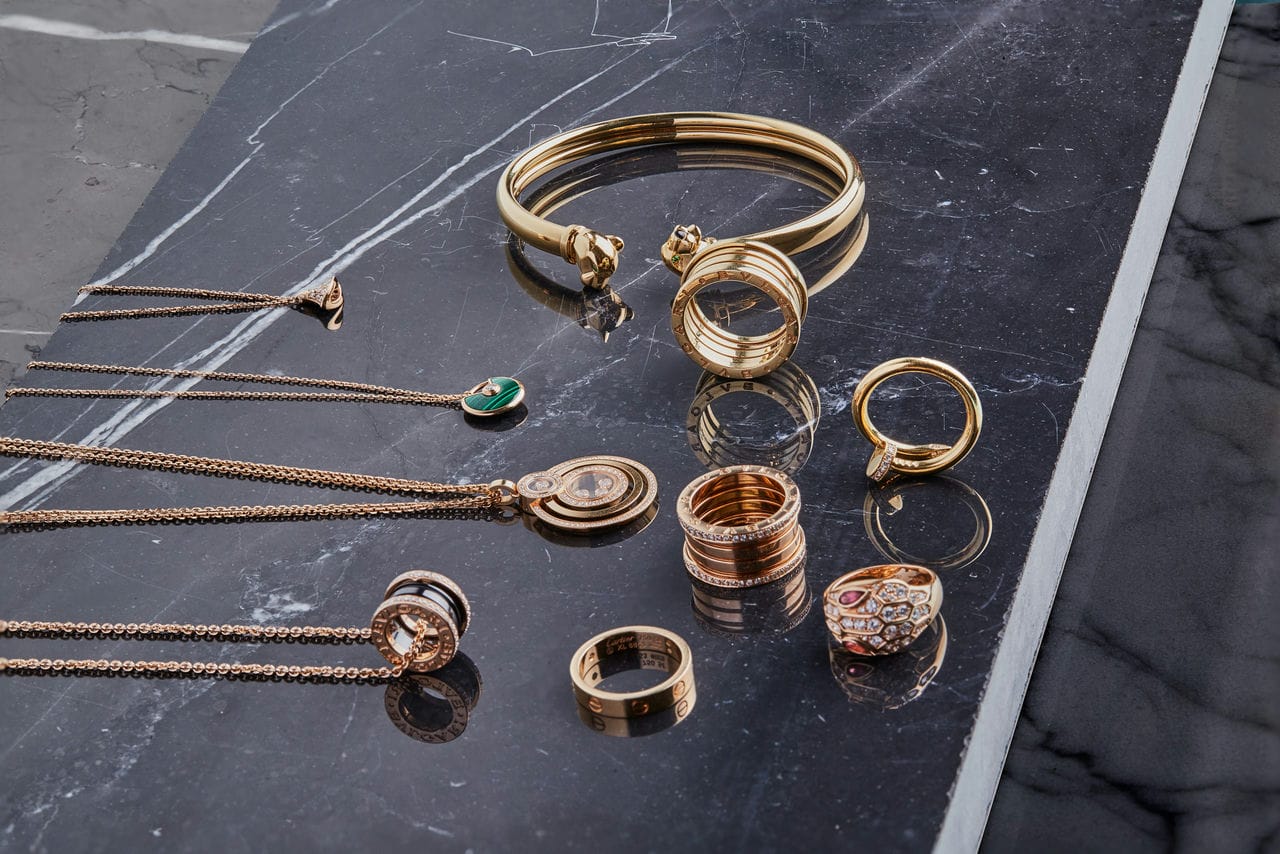
Investing in fine jewellery is rarely a spontaneous decision. Whether you are curating a capsule wardrobe of timeless pieces or searching for a single heirloom-quality item, the process demands more than a passing glance at a display case. The market offers an overwhelming spectrum of materials, settings, and stone options, and discerning buyers quickly realise that true value lies in craftsmanship, provenance, and personal resonance rather than carat weight alone.
For those beginning their search, exploring established Lily Arkwright fine jewellery collections provides an excellent reference point. Their curated assemblies of earrings, necklaces, bracelets, and rings illustrate how cohesive design language and ethical sourcing can elevate an entire collection beyond the sum of its parts. Understanding what separates exceptional pieces from merely adequate ones will ensure your investment brings lasting satisfaction.
Stone Selection: Beyond the Four Cs
Most buyers enter the market familiar with cut, colour, clarity, and carat weight. Yet these metrics, however useful, tell only part of the story. A stone’s brilliance depends equally on the skill of the cutter and the quality of its setting. A slightly smaller diamond with superior proportions will often outsparkle a larger stone with mediocre symmetry. Similarly, coloured gemstones, sapphires, emeralds, rubies require different evaluation criteria altogether. Saturation, hue distribution, and origin significantly influence both beauty and value. When examining earrings or pendants intended for daily wear, durability matters as much as aesthetics. Hardness ratings on the Mohs scale should guide your selection, particularly for rings and bracelets that endure regular contact.
Metalwork and Setting Integrity
The metal surrounding your stone is not merely a frame; it is the structural foundation that protects your investment for decades. Platinum offers exceptional density and hypoallergenic properties, making it ideal for pieces worn against the skin daily. White gold provides a similar aesthetic at a different price point, though it requires periodic rhodium replating to maintain its lustre. Yellow and rose gold bring warmth and vintage character, complementing certain skin tones and stone colours more flatteringly than cooler alternatives. Beyond colour, inspect the setting craftsmanship closely. Prongs should be substantial and evenly spaced. Bezels must sit flush without gaps. These details, often overlooked in showroom lighting, become glaringly apparent after six months of regular wear.
Curating with Purpose: Building a Cohesive Collection
A fine jewellery collection should function as a wardrobe, not a random assortment. Consider how each piece interacts with your existing holdings. A pair of diamond studs might pair elegantly with a delicate pendant for daytime engagements, while a statement cocktail ring serves an entirely different social context. Rather than purchasing isolated items on impulse, think in terms of versatility and layering potential. Some collectors prefer a unified metal palette perhaps all platinum or all yellow gold while others deliberately mix metals for a more contemporary effect. Neither approach is superior, but intentionality separates a curated collection from a cluttered jewellery box. Start with foundational pieces that suit your lifestyle, then introduce bolder designs as your preferences crystallise.
Provenance, Ethics, and Aftercare
Modern luxury increasingly intersects with ethical responsibility. The origin of your stones and metals matters, not merely for moral satisfaction but for long-term resale and insurance valuations. Reputable retailers provide certification and transparent sourcing documentation. Equally important is understanding the aftercare provisions accompanying your purchase. Fine jewellery requires periodic professional cleaning, prong inspection, and, for certain metals, replating. Establishing a relationship with a trusted jeweller ensures your pieces remain as captivating in twenty years as they were on the day of purchase.
Final Thought
Fine jewellery occupies a unique position between personal adornment and tangible asset. The most rewarding purchases are those made with patience, knowledge, and a clear vision of how each piece will integrate into your life. By prioritising craftsmanship over trends and provenance over impulse, you build not merely a collection, but a legacy.
