


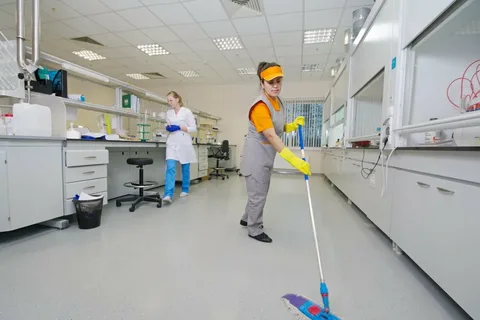
Introduction to Medical Office Cleaning
Maintaining a clean and hygienic healthcare environment is essential for patient safety, staff well-being, and overall operational efficiency. Medical office cleaning is a specialized cleaning process designed specifically for clinics, doctors’ offices, and healthcare facilities where strict sanitation standards must be followed.
Unlike regular commercial cleaning, medical environments require higher levels of disinfection, attention to detail, and compliance with health regulations. Proper cleaning helps reduce the spread of infections and creates a professional atmosphere that builds patient trust.
Why Medical Office Cleaning Is So Important
Healthcare facilities deal with a constant flow of patients, many of whom may carry infectious diseases. This makes hygiene a top priority. Professional medical office cleaning ensures that all surfaces, equipment areas, and high-touch points are properly disinfected.
Key reasons it is essential include:
- Preventing cross-contamination between patients and staff
- Reducing the risk of healthcare-associated infections (HAIs)
- Maintaining compliance with health and safety standards
- Creating a welcoming and professional environment
Without proper cleaning protocols, even minor lapses in hygiene can lead to serious health risks.
Key Areas Covered in Medical Office Cleaning
A thorough cleaning routine in a medical setting covers far more than just visible surfaces. Professional cleaners focus on critical areas such as:
1. Waiting Rooms and Reception Areas
These are high-traffic zones where germs can spread quickly. Chairs, door handles, counters, and magazines are regularly disinfected.
2. Examination Rooms
This is where patient care takes place, making it one of the most sensitive areas. All surfaces, medical equipment exteriors, and furniture are sanitized after each patient visit.
3. Restrooms
Restrooms in healthcare facilities require deep and frequent cleaning to prevent bacterial growth and odor issues.
4. Medical Equipment Surfaces
While internal sterilization is handled by medical staff, external surfaces still require careful cleaning to maintain hygiene standards.
Process of Professional Medical Office Cleaning
A structured cleaning process ensures consistency and effectiveness. Typically, medical office cleaning follows these steps:
Step 1: Inspection and Planning
Cleaners assess the facility to identify high-risk and high-touch areas.
Step 2: Disinfection of High-Touch Surfaces
Items such as light switches, door handles, and chairs are disinfected using hospital-grade solutions.
Step 3: Deep Cleaning Procedures
Floors, carpets, and upholstery are thoroughly cleaned to remove dirt, stains, and microbes.
Step 4: Waste Disposal
Medical waste and general trash are handled separately and disposed of according to regulations.
Step 5: Final Quality Check
A final inspection ensures all areas meet hygiene standards before completion.
Benefits of Professional Cleaning Services
Hiring experts for medical office cleaning provides several advantages:
- Improved patient confidence and satisfaction
- Reduced spread of infectious diseases
- Compliance with healthcare regulations
- Longer lifespan of furniture and equipment
- A consistently clean and organized workspace
These benefits not only protect health but also enhance the reputation of the medical facility.
How to Choose the Right Cleaning Service
Selecting the right cleaning provider is crucial for maintaining high standards. Consider the following factors:
Experience in Healthcare Cleaning
Choose a company that specializes in medical environments rather than general cleaning.
Use of Approved Disinfectants
Ensure they use hospital-grade cleaning products that are safe and effective.
Trained Staff
Cleaners should be trained in infection control and proper handling of medical environments.
Flexible Scheduling
Medical offices often require cleaning outside patient hours to avoid disruptions.
A reliable provider of medical office cleaning will follow strict protocols and adapt to the unique needs of each facility.
Conclusion
Cleanliness in healthcare settings is not optional—it is a critical requirement. Professional medical office cleaning plays a vital role in ensuring patient safety, preventing infections, and maintaining a professional healthcare environment. By following proper cleaning procedures and working with experienced professionals, medical facilities can provide a safer and more trustworthy space for everyone.
