


Introduction
Modern agriculture is rapidly shifting toward data-driven practices that improve productivity while conserving resources. One of the most impactful innovations in this transformation is The Role of precision farming gnss in Smart Irrigation Systems, which enables farmers to irrigate fields with higher accuracy, efficiency, and sustainability. By combining satellite positioning with smart sensors and automated controls, irrigation becomes more targeted and responsive to real field conditions.
How GNSS Enhances Smart Irrigation Planning
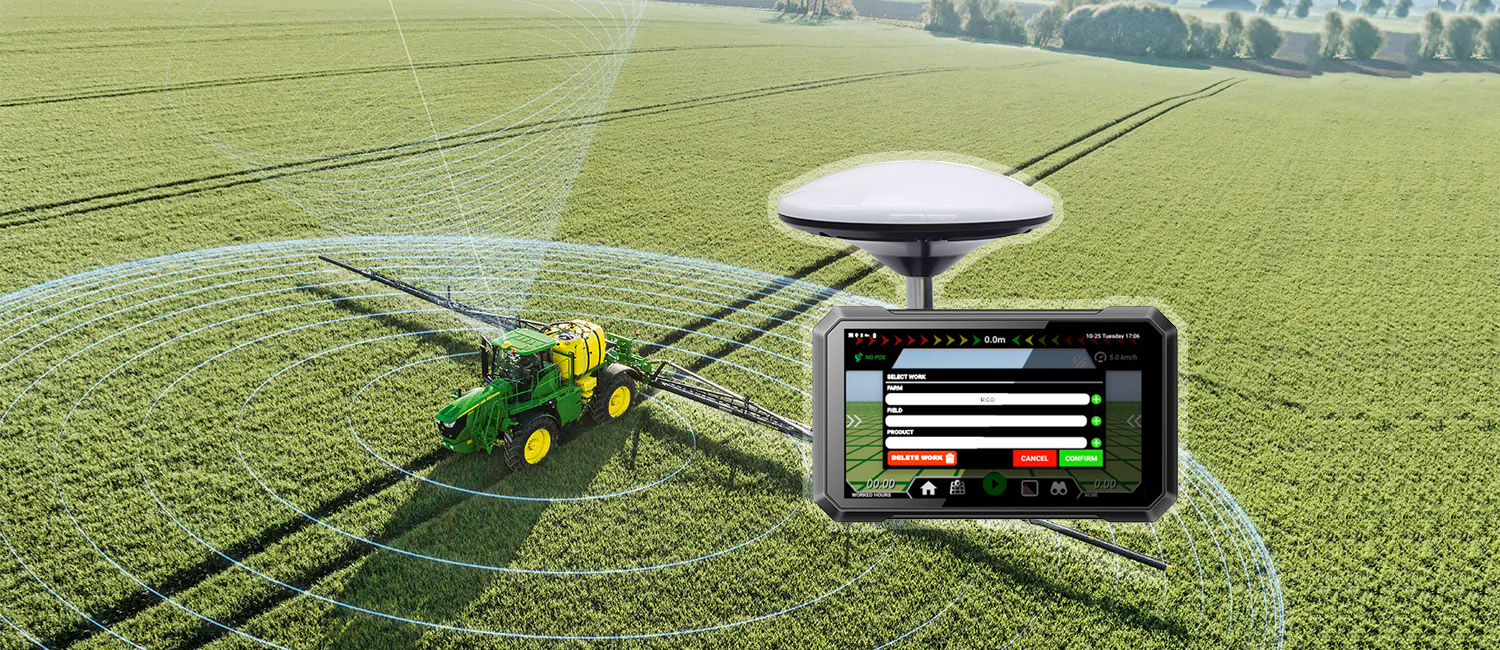
The Role of Precision Farming GNSS in Smart Irrigation Systems begins with accurate field mapping. GNSS (Global Navigation Satellite System) technology helps farmers create precise digital maps of their farmland, identifying variations in soil type, elevation, and moisture levels.
This spatial data allows irrigation systems to deliver water exactly where it is needed. Instead of watering an entire field uniformly, farmers can divide land into management zones and apply water based on specific crop requirements. This reduces water waste and improves crop health at the same time.
Real-Time Monitoring and Automated Water Delivery
Another key aspect of The Role of Precision Farming GNSS in Smart Irrigation Systems is real-time monitoring. GNSS-enabled machinery and sensors work together with IoT devices to track field conditions continuously. When combined with soil moisture sensors and weather data, irrigation systems can automatically adjust water levels.
For example, if a specific zone receives rainfall, the system can reduce or pause irrigation in that area. This dynamic adjustment helps prevent overwatering, reduces energy use, and ensures crops receive consistent hydration without manual intervention.
Improving Resource Efficiency and Sustainability
A major advantage of The Role of Precision Farming GNSS in Smart Irrigation Systems is its contribution to sustainable farming. Water scarcity is a growing global concern, and precision irrigation helps address this challenge by optimizing every drop of water used.
Farmers can significantly reduce water consumption while maintaining or even increasing crop yields. Additionally, efficient irrigation reduces fertilizer runoff and soil erosion, leading to healthier ecosystems and long-term agricultural sustainability.
Conclusion
In summary, The Role of Precision Farming GNSS in Smart Irrigation Systems is transforming how water is managed in agriculture. By combining satellite precision, automation, and real-time data, farmers can achieve smarter irrigation practices that save resources, improve yields, and support environmental sustainability. As technology continues to evolve, GNSS-based irrigation systems will become an essential part of modern smart farming strategies.
